Weddings and Receptions
Wedding Receptions
Plan a West Side wedding reception from the first walk through to the last dance: the timeline, the menu and a budget that holds together.
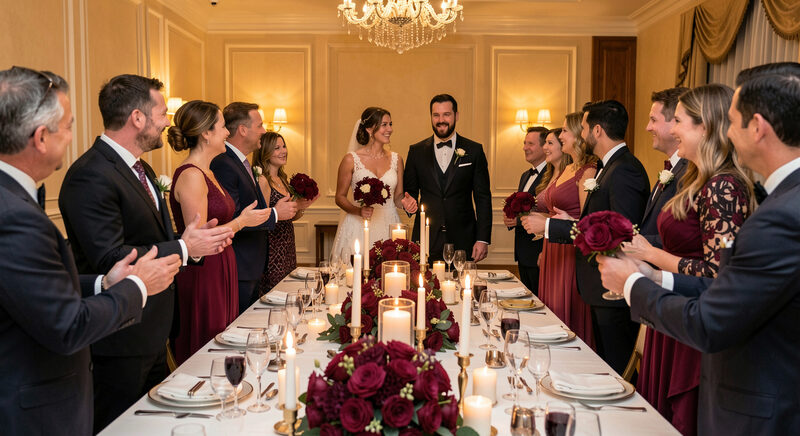
A wedding reception is the part of the day the guests remember longest, and it is also the part with the most moving pieces: a room, a meal, a bar, music, a timeline and a budget that has to survive all of them. On Cincinnati's West Side, most receptions happen in one of a few kinds of place, and the choice shapes everything that follows.
This section gathers the three questions couples ask most: how the evening should run, how the meal should be served, and how much it will all cost.
The West Side reception, in three shapes
The first shape is the fraternal or parish hall: a large room with a wood dance floor, a stage for a band or a DJ, a bar at one end and a kitchen that either cooks or hosts a caterer. These halls tend to be affordable and generous with space, and they suit a big, warm, family-heavy reception.
The second shape is the hotel or purpose-built banquet center, where the room, the food, the staff and often the bar come as one package. These are the easiest to book and the easiest to overpay, because the convenience is built into the price.
The third shape is the restaurant back room or the smaller event space, for a reception of forty to eighty guests where the food is the centrepiece and the dancing is optional. Each shape has a different feel and a different budget, and the right one depends on the guest list and the kind of evening the couple wants.
Whatever the shape, the venue questions are the same, and they are collected in questions to ask a banquet hall.
Set the guest list before the room
The guest list decides the room, not the other way round. A list of 180 people needs a different hall from a list of 90, and a hall chosen first tends to drag the list up or down to fit. Write the list, cut it honestly, and only then look at rooms. The arithmetic of how many guests a room really holds is in capacity and room layout.
How the evening runs
A reception that runs on time feels relaxed; one that runs late feels rushed, and the difference is almost always in the plan rather than in the day. The reception has a natural sequence: guests arrive and find their seats, the couple is announced, dinner is served, the toasts are made, the cake is cut, and then the dancing begins in earnest. Each step needs a little more time than people expect.
The full hour-by-hour schedule, with the buffers that absorb the small delays, is set out in a wedding reception timeline. Couples who plan that schedule with the venue and the DJ before the day are the ones who get to enjoy it.
The meal and the bar
The meal is the largest single line in most reception budgets, and the choice between a buffet and plated service changes the cost, the timing and the feel of the evening. A buffet is usually cheaper, lets guests choose, and works well for a large, informal crowd. Plated service costs more, controls the pace, and suits a smaller, more formal dinner. The trade-offs are weighed in buffet or plated dinner.
The bar deserves the same early attention, because it is the line that varies most and the one most likely to surprise at the end. Ohio has rules about who may serve alcohol and how, and a reception that ignores them can run into trouble. The options are explained in bar service and Ohio liquor rules.
The budget that holds together
A reception budget is easier to manage when it is built from the guest count outward. Set a total, divide by the number of guests to get a working cost per guest, and then check each part against that figure. The bar, the staff and the service charge are the three lines that grow fastest, and they are the ones to watch. A complete method, with the line items most couples miss, is in building a reception budget, and the venue side of the same arithmetic is in what a banquet hall costs.
The parts guests notice
Guests rarely remember the colour of the napkins. They remember whether they could find a seat, whether the food was warm, whether the bar line was short, whether they could hear the toasts, and whether they could park. Those are all layout and logistics questions, and they are decided long before the day. A reception planned around how guests actually move through the room will feel generous even on a modest budget.
The practical side, from the bar to the dance floor to parking and access, is gathered under planning and logistics.
The vendors, and who does what
A reception runs on a small team, and the team works best when each person knows their part. The venue runs the room, the food and the bar. The DJ or band runs the music and calls the moments. The photographer follows the schedule and needs to know when the toasts and the cake will happen. The officiant handles the ceremony, not the reception. A day-of coordinator, whether hired or a capable friend, holds the timeline and answers the small questions so the couple does not have to.
Give each vendor a written copy of the timeline and a phone number for the coordinator. A reception that runs smoothly is rarely the work of one person; it is the work of several people who were told, in advance, what the plan was.
Where to start
Start with the list, then the room, then the meal, then the schedule, then the budget, and let each choice inform the next. Couples who settle the venue and the guest count first find that everything else falls into place. Begin with choosing a banquet hall, and return to this section as each decision comes due.
Weddings and Receptions
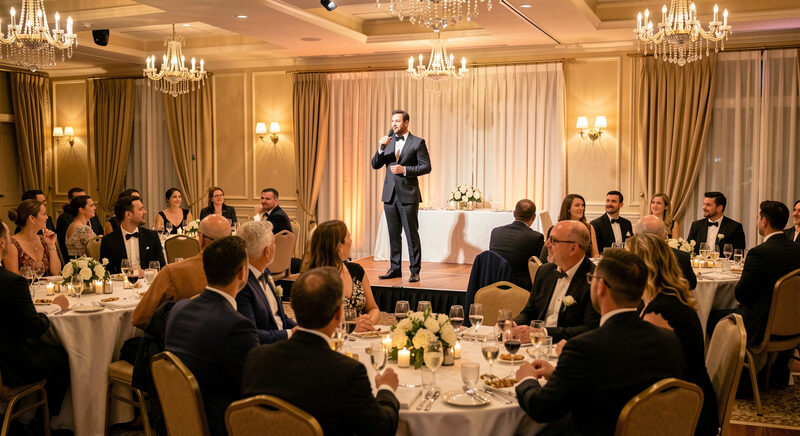
A Wedding Reception Timeline
Build an hour by hour reception schedule with arrival, dinner service, toasts, cake cutting and dancing, and the small buffers that save the day.
An hour-by-hour evening with buffers that save the day.
Weddings and Receptions
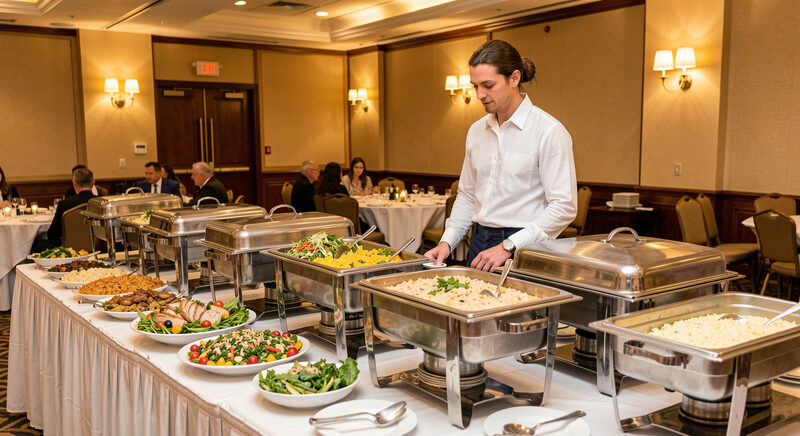
Buffet or Plated Dinner
Weigh buffet lines against plated service for cost, timing, guest choice and dietary needs, and learn how to read a banquet menu plan.
Line or seat: what the choice changes beyond the menu.
Weddings and Receptions
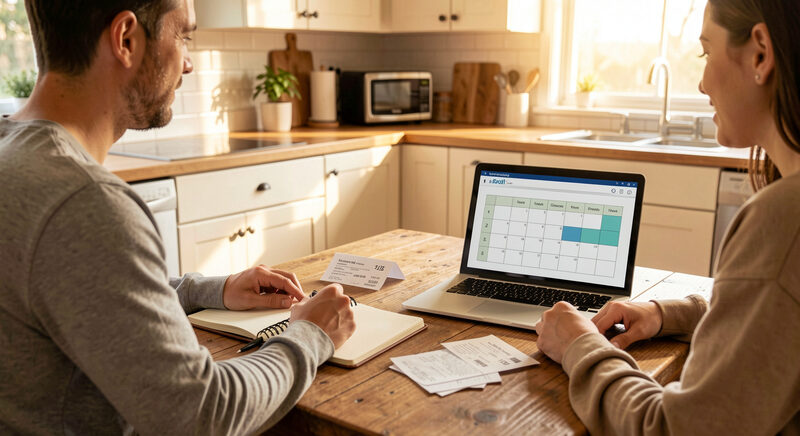
Building a Reception Budget
Set a total, divide it by guest, and track the line items that grow: bar, staff, rentals, cake, tips and the service charge most couples miss.
Set a total, divide by guests, watch three lines.